
On cities
Glueing us back together - third places and connections

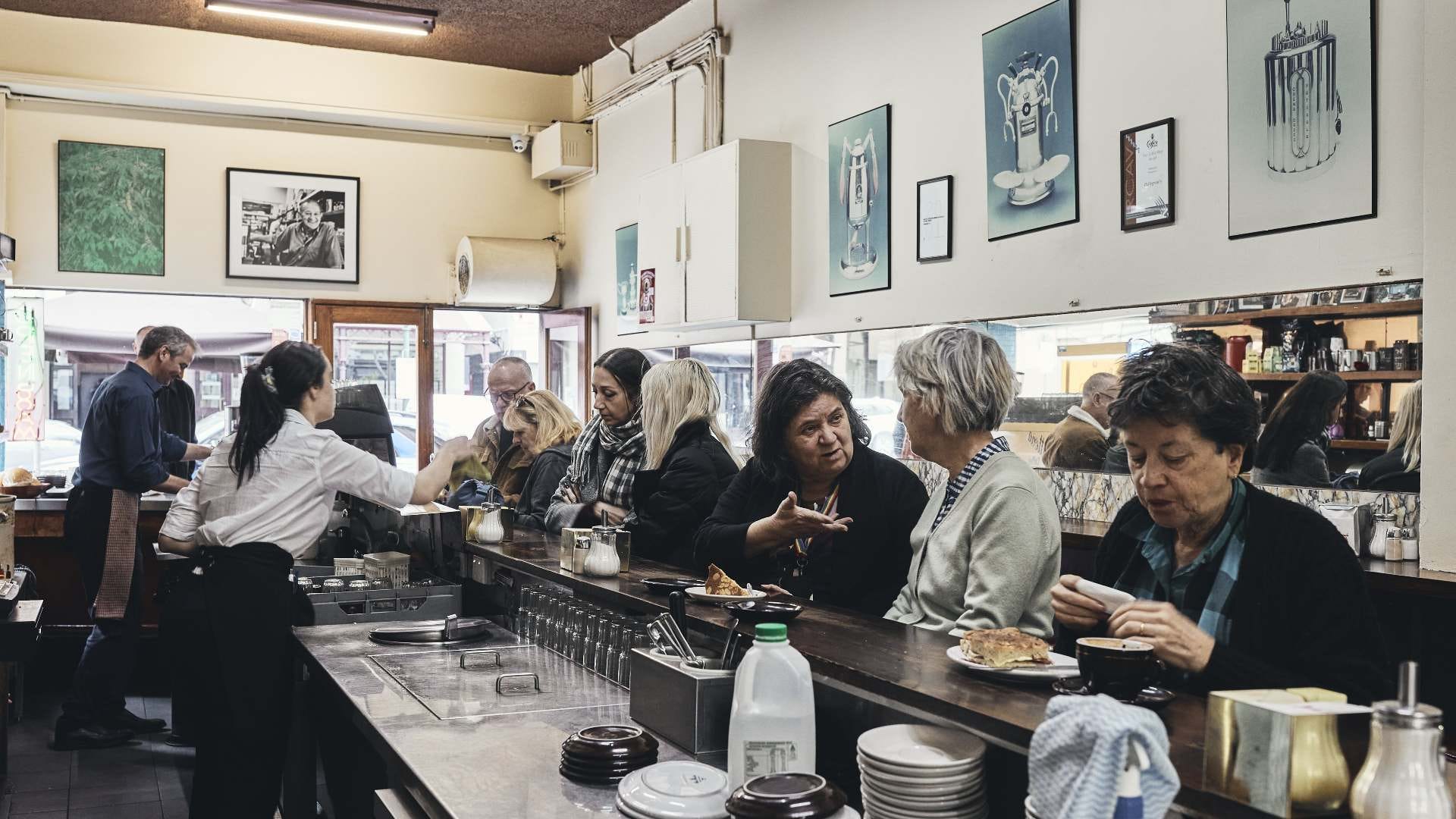
As a city dweller, as someone passionate about the importance of cities and ambitious about what cities can and should be, I often think about what Ray Oldenburg named third places in the book The great good place. Third places are a central to an essential part of the life, texture and character of cities, not just giving life but creating the milieu to bring people together. We are social beings after all. I was reminded of this and of Oldenburg after re-discovering an interesting read from way back, Streets for People: A Primer for Americans by Bernard Rudofsky.
In The Great Good Place Oldenburg offered a series of characteristics of third places that offer a useful framework. These characteristics* include;
Open and inviting.
You don’t need an invitation or appointment, and you can come and go as you please.
Comfortable and informal.
You feel that you belong there.
Convenient.
It’s close enough to visit often, ideally right in your own neighbourhood.
Unpretentious.
Everyone is on the same level, there’s nothing fancy or fragile, and it’s not expensive.
There are regulars.
And often there’s a host who greets people as they arrive.
Conversation is the main activity.
Discussion, debate, and gossip are part of the mix.
Laughter is frequent.
The mood is light-hearted and playful. Joking and witty banter are encouraged.
*Oldenburg, Ray (2023). The great good place: cafes, coffee shops, bookstores, bars, hair salons, and other hangouts at the heart of a community (2nd ed.). Great Barrington, Massachusetts: Berkshire Publishing Group LLC
Oldenburg’s colleague and co-author of a soon to be released updated version (I am excited to read), Karen Christensen also offers a great and succinct summary;
“A third place is a regular gathering spot where everyone is welcome and conversation is the main activity. Third places remind us that human connections need nurturing and that community depends on such simple things as a few tables, a friendly host, and a willingness to see what happens when we meet face-to-face.” - Karen Christensen
So third places are a very important part of a vibrant and connected city and society!
The built environment has a huge impact on our success in creating a diversity of third places. It’s quite striking to me how much texture and fine grain a really interesting and appealing city needs to and can have, and how important walkable spaces are to giving critical mass, viability, to the development and sustainability of a range of places in a neighbourhood that fill the need for and fit the bill of a third place. Cafes are a big part for many naturally (short macchiato please), although the need to buy something could be a barrier to entry for some. Libraries can be wonderful, as can markets, clubs, pubs, a dojo, park or many others. A group of friends walking laps of the local park is an essential part of my own rituals and routines.
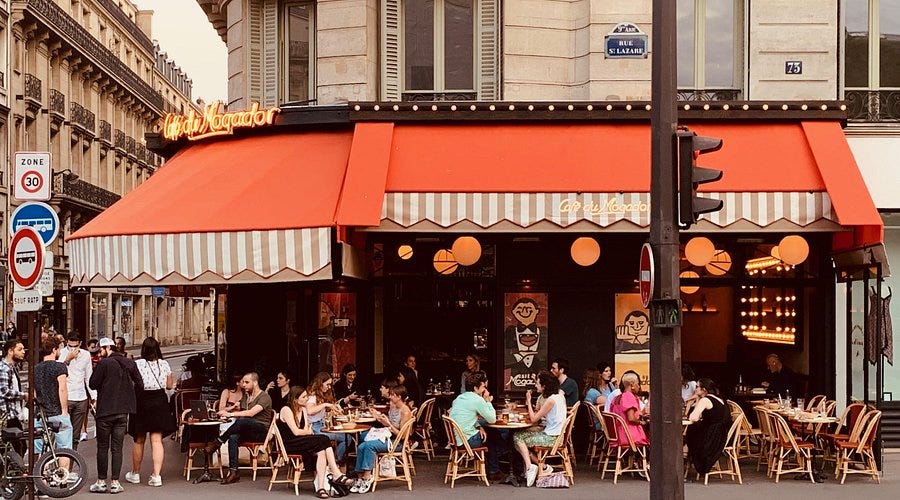
The importance of the spaces we create demonstrates how much urban planning, transport modes and property development impact on these outcomes. At the risk of straying into cliché and generalisation, old cities built before cars, rigid zoning and low-density housing much more readily fit the model. Walkable, often built around a transport hub and with a range of housing. Cue a Parisian café daydream here, talking, writing or reading over macchiato or vino. Car dependant and atomised housing and areas with strong demarcation of function, not so much.
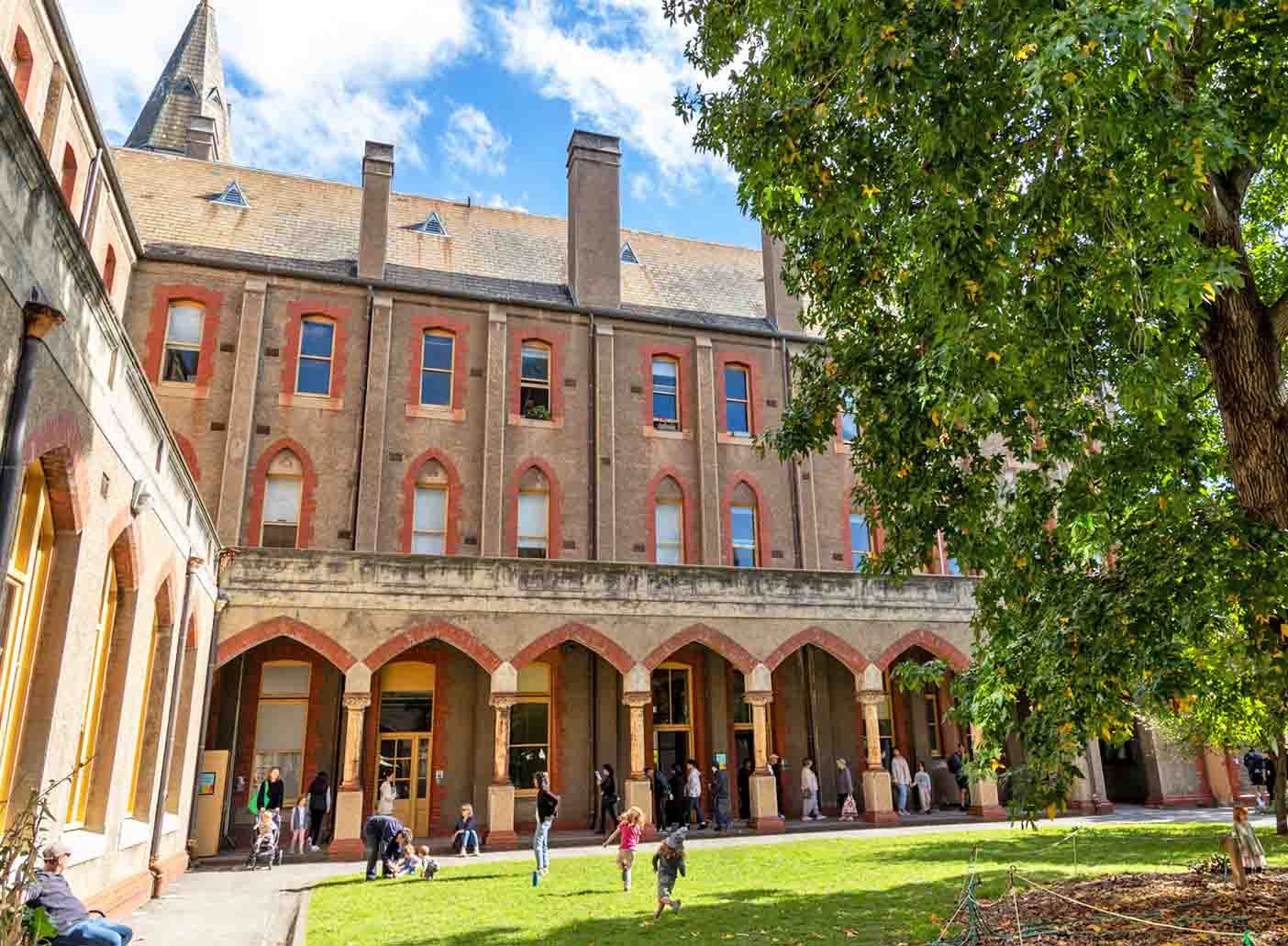
That part of cities which has grown and evolved over time also lends itself to re-invention and re-imagination, use changing as society changes and adapts form and function. Abbottsford convent here in Melbourne is a wonderful example of a just such re-imagined space that fits the bill in many ways. An open space with commercial elements, stunning gardens and buildings, even a school, it is rich in texture and diversity and welcomes a wide range of groups and activities. Located in a higher density inner urban area, it is also a valuable resource and public,
The rise of the virtual world also begs the question; can a virtual space be a third place? Interesting question and I expect answers and opinions will be broad and nuanced. The broader virtual world, such as gaming, work from home models, social media and the internet in general broadens the discussion of what makes for a third place in interesting ways. It got me to reflecting on the ubiquity and impact of social media, and the algorithms that shape what we see there more and more it seems, and whether they were of themselves third places. Or have undermined third places. Given that for all its usefulness, social media is often an instrument for outrage, the superficial and the commercial, it is hard not rush to judgement. Social media to me does not fit the bill of a third place as it is delivered and used as of now. Whether it can be I am not sure
But on the other hand, a huge number of gamers would make a very strong case for multi-player games as a vital place for connection, a plethora of virtual piazza on a global scale (anyone else here a fan of Ready Player One? Both book and movie). It seems to me that virtual third places can indeed be a thing, with a range of caveats around access, control, exclusion, algorithms and the risk of confirmation bias in echo chambers. Many of which are risks in real world spaces as well.
Time to circle back to the original proposition and the importance of third places as places for connection, not just with a narrow tribe but broader groups. It seems to me that amidst so much polarisation and the separation of different demographic and socio-economic groups, third places are more important than ever as places that bring people together. They build community, are social levellers and demographic melting pots.
So get out there and use them, make them, lobby for the and cherish them. We need them, more than ever I think.