
On cities
In praise of cities

City - from the Latin cīvitās, citizenship or state, from cīvis citizen
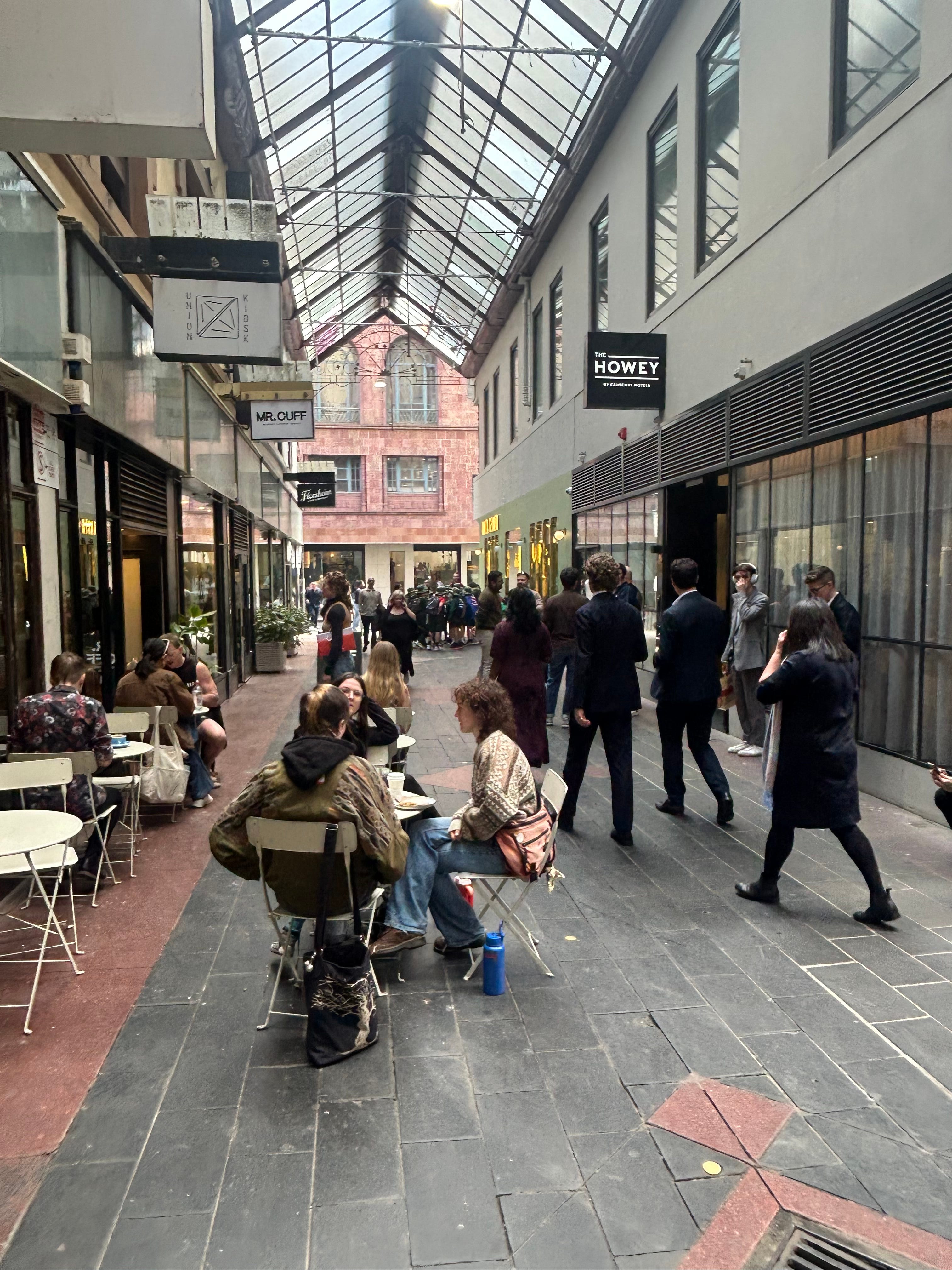
This is the first on what I plan to be an extended discussion on cities, the cradle and engine room of what we call civilisation. Home to the majority of us (55% currently and 70% by 2050 according to the UN), central to our economies, culture and society, cities should be ground zero for our greatest ambitions and audacious plans, not places where we accept mediocrity or inhuman habitats. I am no urban planner (although I did my postgraduate in urban policy) but write as a citizen (cīvis… city), flaneur, city dweller and on the principle what we should all write about and act on what we want to see in the world.
After all, if not us, who, if not now, when? Cities and their impacts cover a lot of ground, from transport to design, to greening to energy, so this is fertile ground. There is so much amazing stuff to think about and aspire to in our cities!
There must be few subjects with more words and thoughts devoted to them than cities. When we talk of them, often city and civilization are almost interchangeable words. Names like Ur, Beijing, Harappa, Athens or Rome are fabled, cities and stories that have been at the heart of civilisation for millennia. Now as much or maybe more than ever, cities are at the heart of civilisation and stories. As well as nations we talk of the great cities of the world. Tokyo, Rio, New York, London, Istanbul, Shanghai, Mumbai, Cairo, Melbourne and many more. More and more of us live in cities, and they are the engine room of economic activity, as well as a hot bed artistic and cultural dynamism and creativity.
Yet cities also can carry many negative connotations and associations. From pollution to traffic, crime to heat spots, there is much to keep media in business. But I believe that much of what we see as negatives, or even necessary evils, in cities are much more to do with failures of planning, of governance, of engagement and indeed of imagination.
So, my starting point is, what if cities could be something quite different from the assumed necessary evils? And if not, why not? Quiet places, clean and green places, beautiful places and connected places. They can and should be all these things, and we all have the capacity to be a voice to shape and steer to that if we have the information, the ambition and the audacity to strive for it.
To kick off, cities and energy. Cities have been massive demand centres, sitting at the centre of a spiders web of supply chains and transmission lines. 80% of energy consumption is city based, and 70% of carbon emissions. But one of the most exciting elements of the energy revolution we are undergoing as we shift to an electrified economy driven by de-centralised renewables, firmed by batteries, is a chance to completely re-imagine cities as a major source of electrons and as a manager of electrons as well as a major user of them. The rise of the electric car, with vehicle to load and vehicle to grid capacity also adds a whole dimension to this as well.
A fascinating article done out of the Australian National University (ANU) here points to the game changing opportunity we have. “Distributed energy storage (DES) resources, such as electric vehicle batteries and hot water storage, can provide significant, currently underutilised, demand flexibility to support the uptake of variable renewable energy sources.” Storage and load shifting are potential game changers, smoothing out the peaks and troughs of the grid and turning existing and emerging city infrastructure into a key and localised part of the energy system.
Add to that the meteoric growth of small scale solar in countries like Australia and the emergence of new technologies like photovoltaic solar windows and the potential for cities to generate some or all of their power needs, or even be an exporter, is hugely exciting. A Monash university 2022 study here highlights the potential of technology such as this. Just imagine buildings that are energy independent, or even net exporters. A whole forest of electron producing skyscrapers, rooftops, pavements (permeable of course) and windows.
All of this ties into a complete re-imagining of how we produce, store and use energy that is enormously positive for cities if we grasp the opportunity. If you are interested, RethinkX has done some fascinating work on what our energy future can look like, and have a plethora of resources well worth reading, such as this piece. The good news being that it is also the cheapest approach. Market price signals already preference solar, wind and batteries - the capex of new solar is less than the opex of coal in Australia, which is an extraordinary inflection point (Bloomberg New Energy Finance). And the development of cheaper and better batteries and rise of electric cars is also a watershed moment.
I have started with cities and electrons as a part of the process of re-imagining cities as much more dynamic parts of the demand and supply chain in every way. And if we see cities as part of the energy supply chain as well as massive users, why not go from there to think about every other aspect as well?
Food use, cradle to cradle solutions around inputs and outputs and cities as a valuable resource in many ways is where we go next.